
SCU recently worked closely with a European client to develop a more flexible energy system for their facility, where growing electricity demand, solar generation and EV charging all had to operate within a limited grid connection. Rather than treating battery storage as a standalone product, the solution focused on one practical challenge: how to use more locally generated solar energy while supporting daily operations and a 200 kW EV charger without placing additional pressure on the site’s 300 kW grid connection.
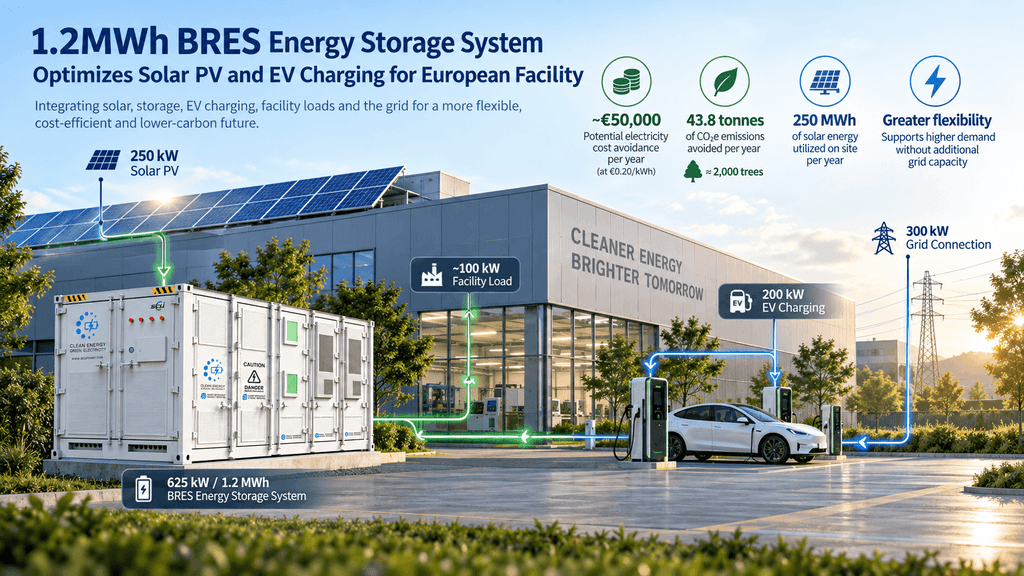
SCU helps the client build an integrated energy architecture combining 250 kW of solar PV, approximately 100 kW of facility load, a 200 kW EV charging system and a 20ft BRES battery energy storage container rated at 625 kW / 1.2 MWh. Within this configuration, BRES serves as the balancing point between generation and consumption, storing solar energy when production exceeds immediate demand and making that energy available later when facility loads increase, EV charging starts, or solar output declines.
This approach addresses one of the client’s most important operational challenges: solar generation is available mainly during the day, while electricity demand does not always occur at the same time. By introducing 1.2 MWh of storage capacity, BRES allows renewable energy to be shifted across different operating periods instead of relying solely on real-time solar production. In theoretical terms, 1.2 MWh of stored energy could support a 100 kW facility load for around 12 hours, or a combined 300 kW facility and EV charging demand for around four hours, before accounting for system losses and operating reserves.
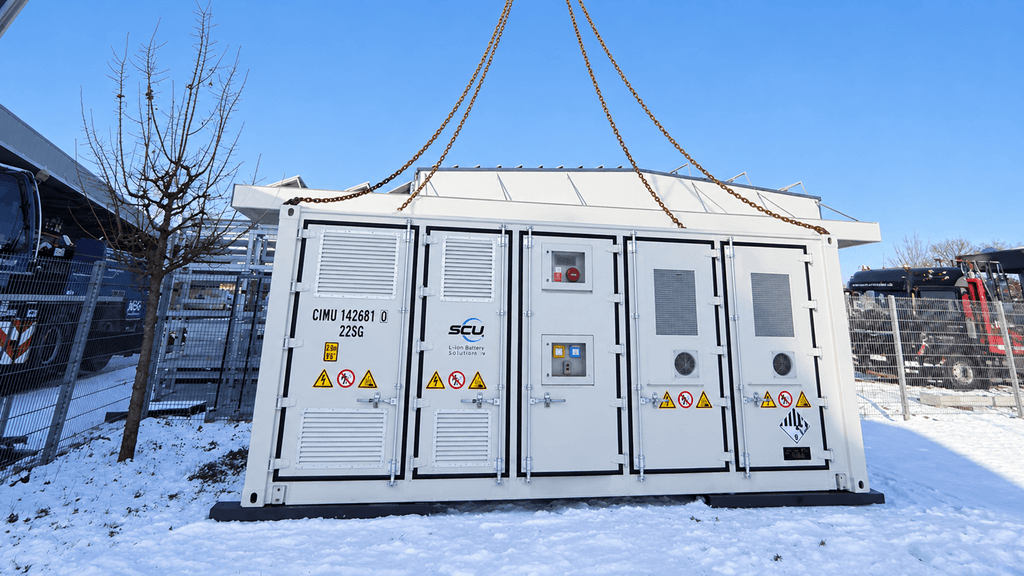
The solution also responds to the limitations of the site’s 300 kW grid connection. As EV charging and other electrical loads increase, peak demand can quickly approach the available grid capacity. With up to 625 kW of power, BRES can work alongside the grid and solar PV to support higher short-term demand, giving the client greater flexibility to accommodate energy-intensive operations without relying entirely on additional grid capacity.
The potential annual impact is also significant. If the 250 kW solar PV system generates approximately 1,000 kWh per installed kilowatt each year, annual solar production could reach around 250,000 kWh. If this energy is captured and consumed on site instead of being replaced by purchased grid electricity, the solution could potentially reduce annual grid electricity consumption by approximately 250 MWh. At an illustrative commercial electricity price of €0.20/kWh, this represents potential electricity cost avoidance of around €50,000 per year.
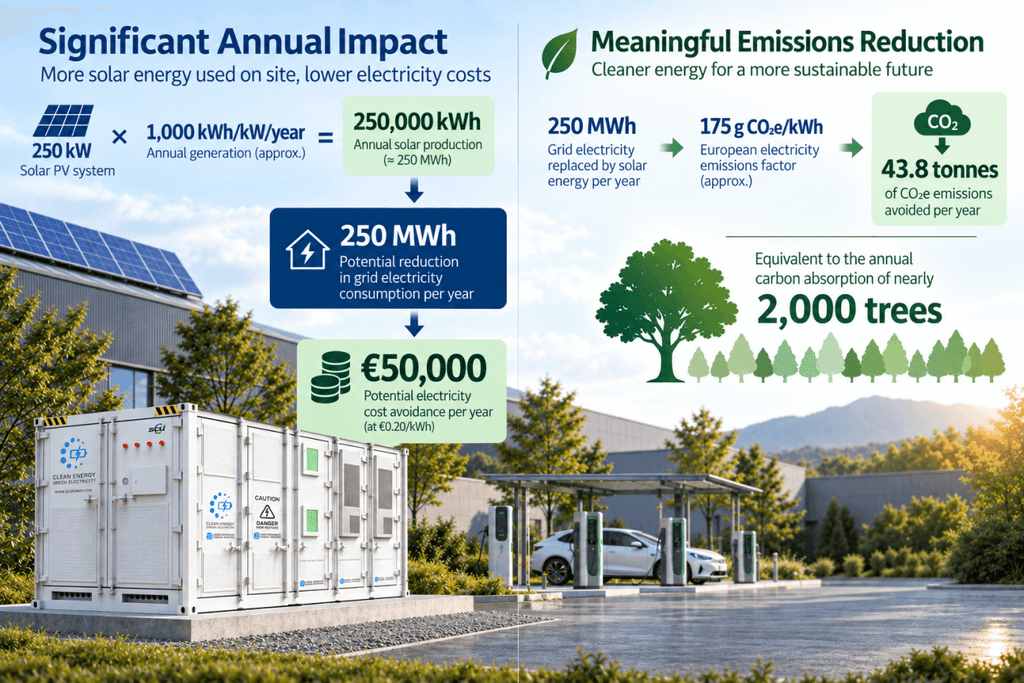
Using an indicative European electricity emissions factor of approximately 175 g CO₂e per kWh, replacing 250 MWh of grid electricity with locally generated solar energy could also avoid roughly 43.8 tonnes of CO₂e emissions annually. Using an illustrative carbon absorption value of 22 kg CO₂ per mature tree per year, this is comparable to the annual carbon absorption of nearly 2,000 trees. Actual savings will depend on local electricity tariffs, solar irradiation, BRES dispatch strategy, operating hours and the client’s final energy consumption profile.
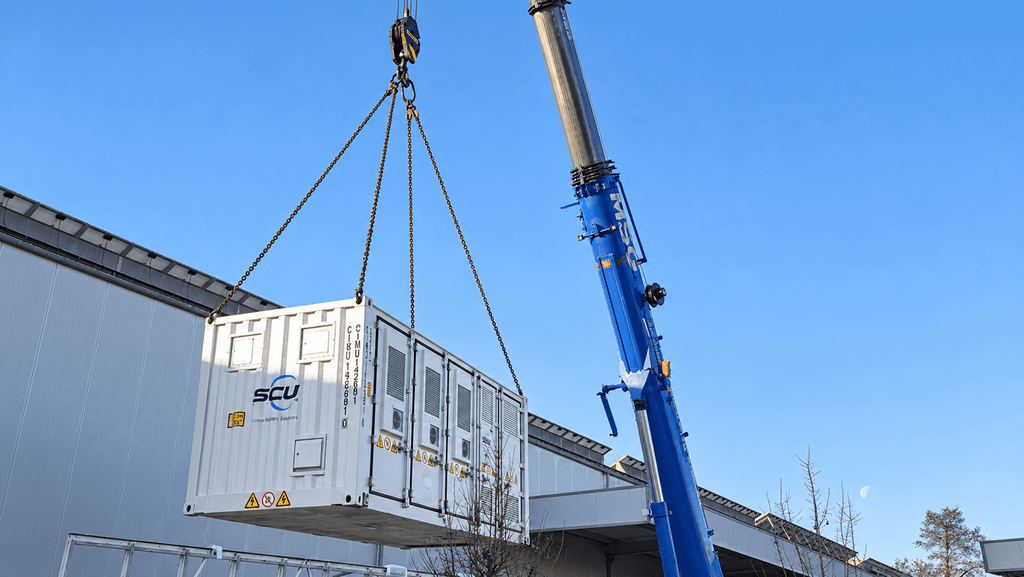
More importantly, the solution creates a practical energy management model in which solar generation, BRES, EV charging, facility loads and the grid can operate as one coordinated system. Instead of simply adding equipment to the site, SCU worked with the client around real operating requirements to improve how energy is generated, stored and consumed across the facility. The result is a more flexible energy infrastructure that can increase solar self-consumption, support EV charging, reduce pressure on the grid connection and give the client greater control over future energy costs.
For SCU, this solution also demonstrates how commercial and industrial battery energy storage is evolving in Europe. The value of BRES is no longer limited to backup power. When designed around the customer’s actual energy profile, it can become a central part of the site’s energy strategy, helping businesses make better use of renewable generation while preparing for continued electrification and the expansion of EV charging.